
Boone et al. · ENS and puppy welfare
Animals 13:71; published December 24, 2022, in the 2023 issue. Table 1, Methods, Results 3.2–3.4 and Discussion. One commercial kennel; CC BY 4.0.
An evidence explainer
ENS is a named early-handling program. That name alone does not establish a lasting benefit for a family puppy.
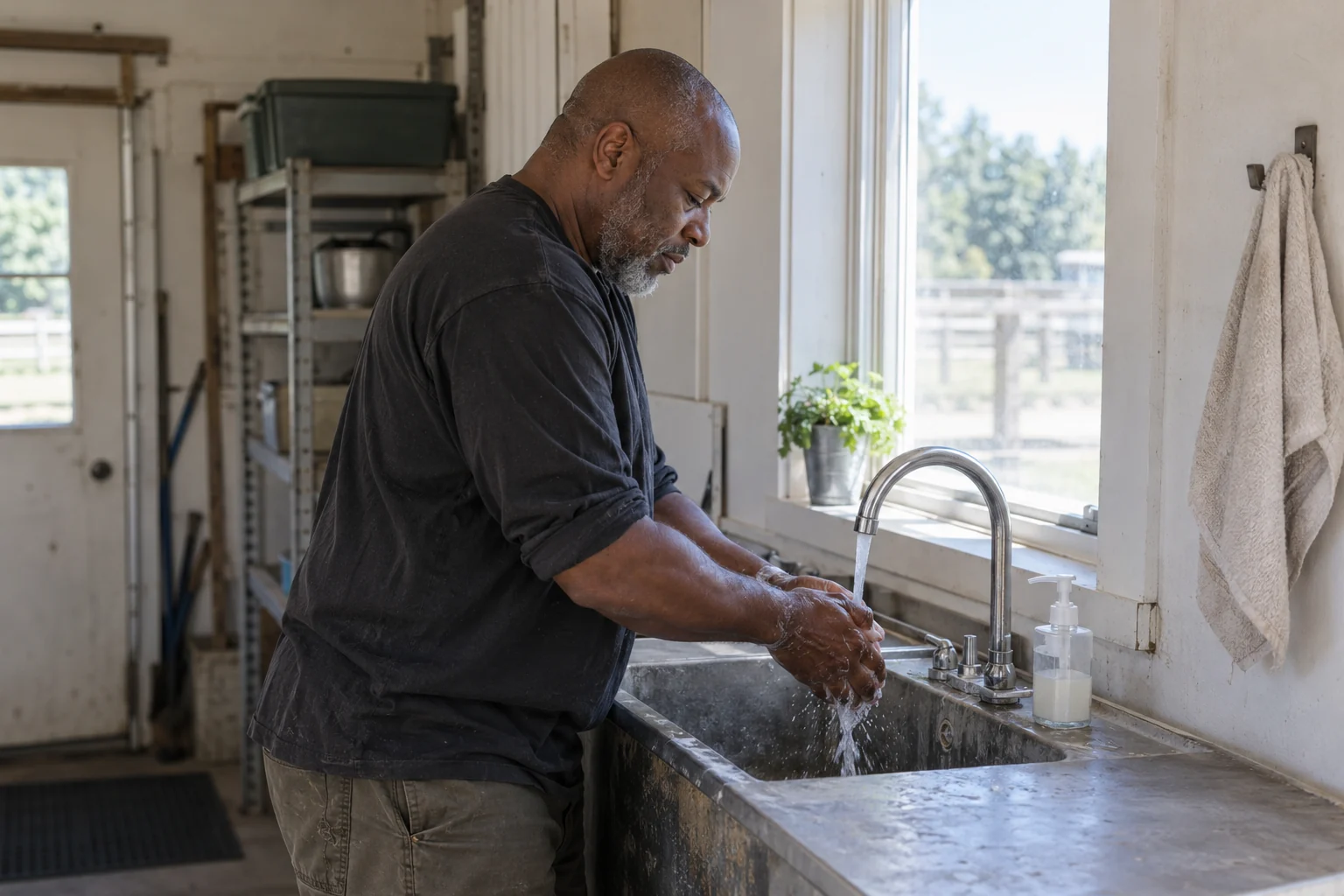
Start with the outcome
A claim about future resilience sounds useful. Before accepting it, ask what “resilience” means in the evidence: a measured behavior, a working-dog selection result, physical health, or how a family dog manages ordinary life years later. Those are different outcomes.
Early neurological stimulation, usually shortened to ENS, refers to a set of brief neonatal handling exercises. Purdue’s 2020 extension review traces much of its rationale to work in other animals and describes the small, variable canine evidence base. It predates the later controlled puppy study discussed here. Purdue Extension ↗
A plausible mechanism is a reason to investigate an intervention. It is not itself proof that the intervention delivers the promised benefit. To evaluate that promise, look for a study that actually measured the relevant outcome in comparable dogs.
One controlled canine study
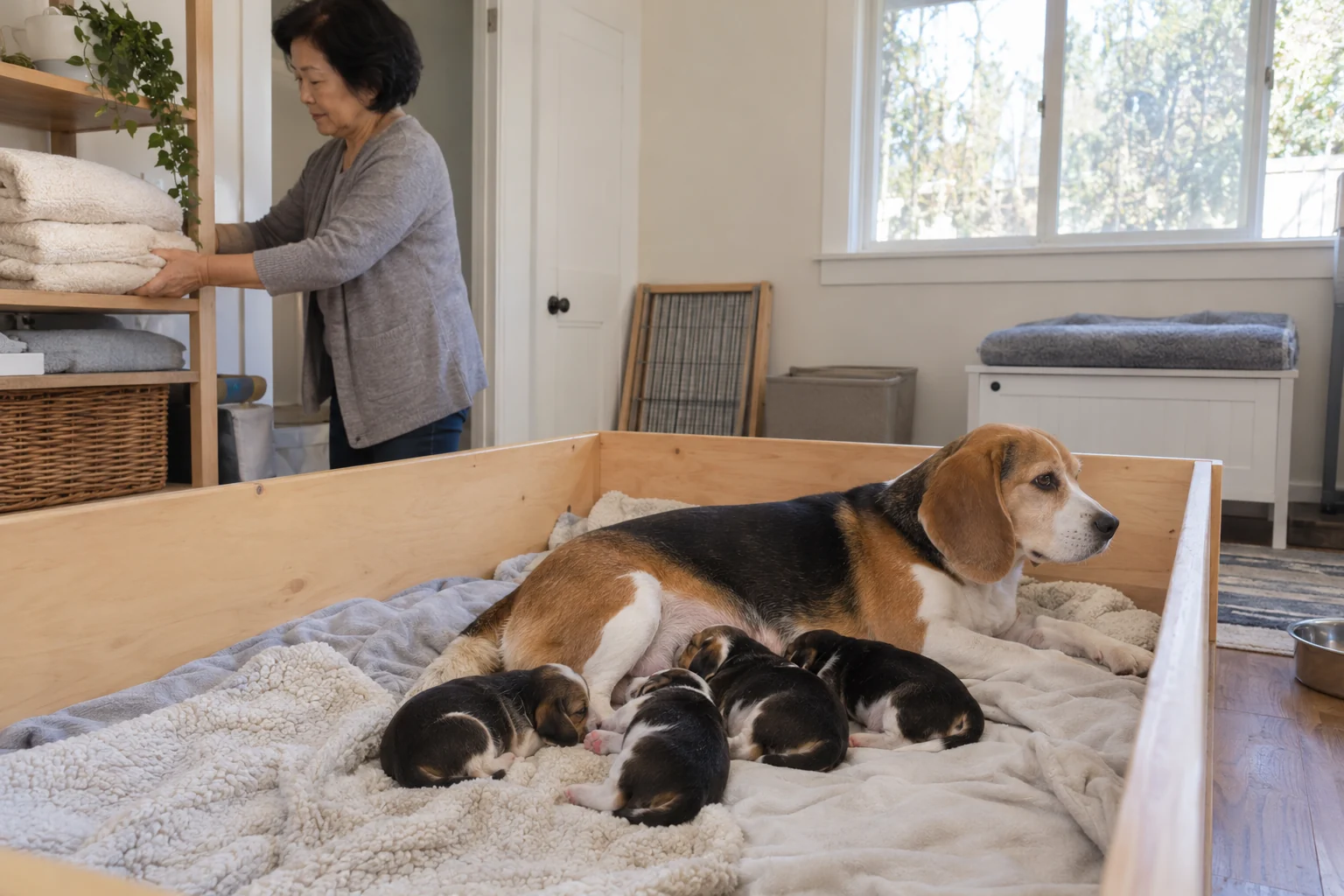
Boone and colleagues studied 76 small-breed puppies from 16 litters in one commercial kennel. They assigned puppies within litters to three groups. ENS did not significantly change the measured stranger-approach or isolation responses, or weight gain. Boone et al. ↗
Follow the limits
Daily handling in all groups may have reduced differences. Follow-up was around eight weeks; some puppies underwent ear cropping, complicating interpretation. The results do not establish lifetime equivalence or rule out every possible benefit. Boone et al. ↗
“No significant difference” also does not mean that two approaches have been proved identical. It means the analysis did not detect the specified difference under those study conditions. Ask what effects the study was able to examine before making a broader claim.
Other evidence
Gazit and colleagues’ 2022 publisher abstract reports a higher likelihood of ENS dogs being accepted for further working-dog training, with behavior differences appearing later. The authors also raise unblinded caregivers and additional attention as possible explanations. Full methods and tables were unavailable for this article’s review, so that report cannot support a numerical comparison here. Gazit et al. ↗
Selection for a working role and a family puppy’s welfare are not interchangeable outcomes. A program could affect a task-related measure without establishing the household benefit being advertised. Different populations, controls and later experiences make simple vote-counting across studies unhelpful.

For the breeder
The evidence supports a restrained answer: the available canine findings do not establish a universal lasting welfare benefit for family puppies. That is a judgment about the reach of the evidence, not a verdict on a breeder’s intentions or the quality of all their care.
If you use an early-handling program, explain what you do and distinguish it from a proven outcome. Ask your veterinary team about what is appropriate for the dam and litter. This article does not give neonatal positions, temperature exposure or exercise instructions.
When comparing programs, keep ordinary care in view. An extra intervention is only one part of the puppies’ environment. A precise account of the actual care and the evidence is more useful than a badge that promises the rest of a dog’s life.
A useful next question
Use the sheet when a website, course or protocol makes a strong promise. Identify the benefit and then look for the dogs, comparison and outcome behind it.
Keep promotional language separate from what the research measured. Bring unresolved care questions to your veterinary team.
Blank working sheet
An evidence-reading aid. It does not provide neonatal handling instructions.
Download an editable text copyFollow the evidence
Animals 13:71; published December 24, 2022, in the 2023 issue. Table 1, Methods, Results 3.2–3.4 and Discussion. One commercial kennel; CC BY 4.0.
Boone, Romaniuk and Croney, VA-24-W (January 2020), pp.2–4. Historical context and evidence gaps; predates the later controlled study.
Applied Animal Behaviour Science (2022). Publisher abstract inspected; full methods and tables unavailable here. Working-dog result is included only within that access limit.
Sources checked October 10, 2026.
Finished reading?
Keep track of the guides you’ve explored.