
Everyday litter care / People & puppies
Plan puppy visits around the litter’s needs
A useful visit has room for the puppies to do less than the people expected.
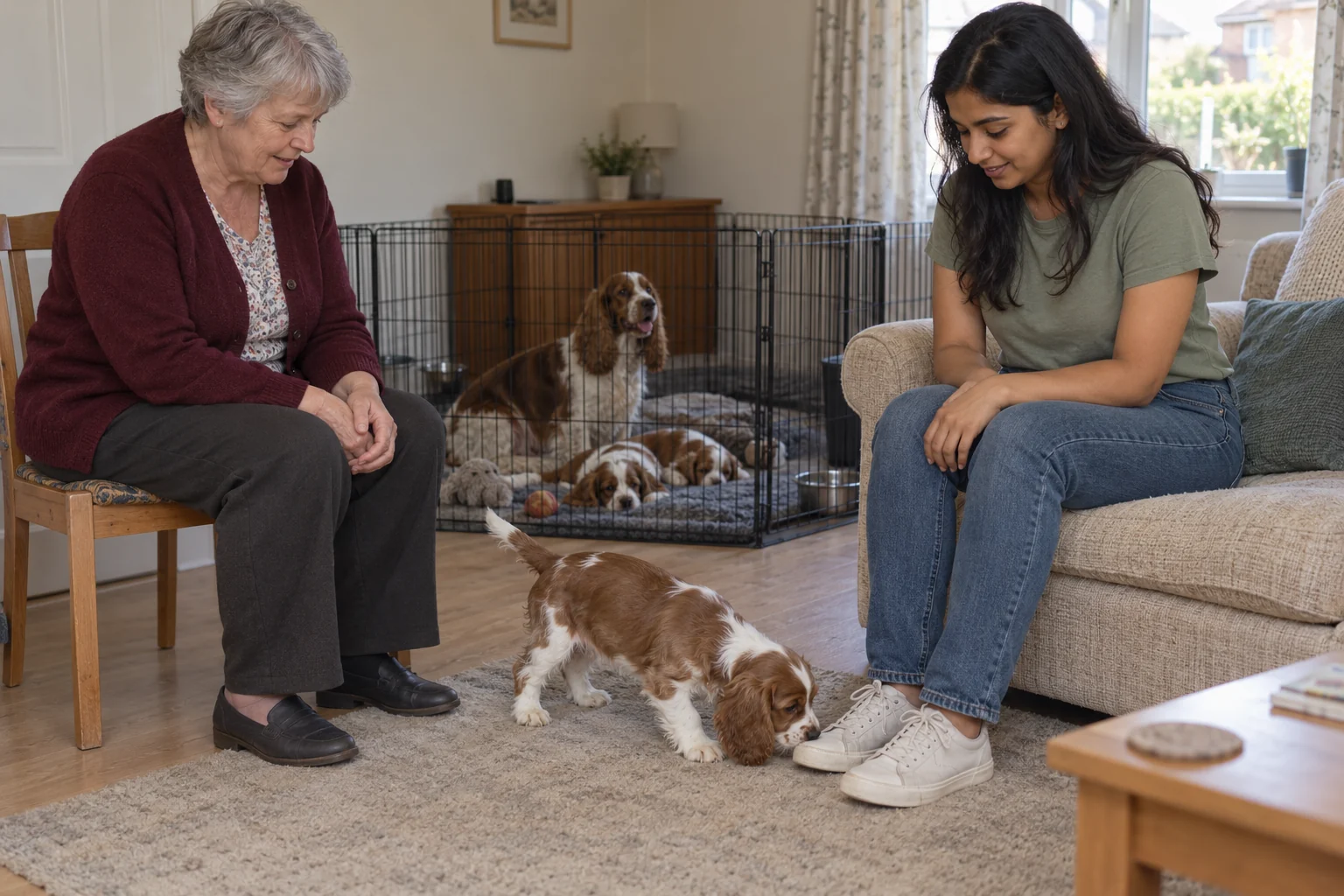
Agree on the visit before anyone arrives, watch the puppies while it happens, and make it easy to finish when they need to rest.
Families may have travelled, cleared an afternoon and imagined holding every puppy. The litter has made no such appointment. A visit works better when you explain that difference kindly in advance.
The goal is an appropriate encounter and a useful conversation. It is not a count of people who touched a puppy. Health circumstances, the litter’s stage and individual responses can change the plan; discuss disease-risk arrangements with your veterinarian before setting visits.
Explain what visitors can expect.
Tell people where they will be, who will guide the interaction and what may change on the day. Let them know that some of the visit may be conversation away from the litter. A sleeping puppy is not a disappointing host.
Ask who is coming rather than assuming a single adult. If children will attend, agree on adult supervision and how instructions will be given. Talk through access needs too: a low chair, steps at the door or the path to a handwashing sink can matter to the person visiting.
Give visitors an easy way to tell you about illness or another relevant change before arrival. Use the postponement and hygiene arrangements agreed for your setting. This article cannot supply a universal visitor age, vaccine rule, group size or safe duration.
Make hygiene practical. Show the sink and soap instead of delivering an abstract speech about cleanliness. CDC advises handwashing after contact with animals and their equipment, and before eating or drinking. CDC
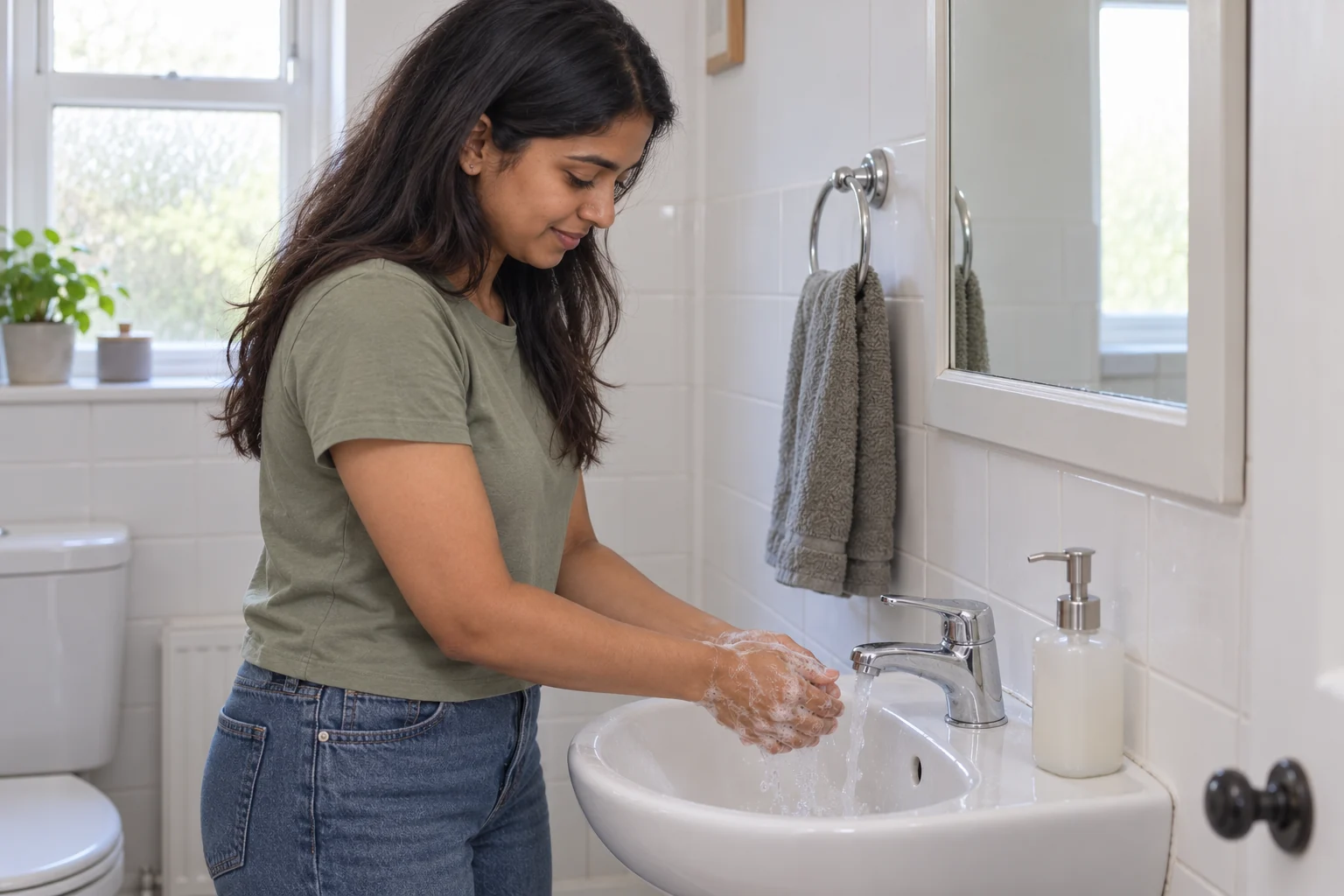
Watch the puppy, not the appointment.
Start with a calm setup and someone whose job is to watch the puppy. A person answering questions, operating a phone and supervising several interactions can easily miss what happened first.
AVSAB supports early experiences that can be achieved safely without excessive fear or withdrawal. Megan Maxwell’s explanation adds an important practical distinction: adjust the experience to the puppy’s response instead of treating exposure alone as success. AVSAB Maxwell
Leave space to approach or move away. If a puppy retreats, becomes still or repeatedly turns away as someone reaches, reduce the pressure and reassess. Do not turn the encounter into a demonstration of how much the puppy can tolerate. A response needs its context; it is not an adult-personality verdict.
Also notice the rest of the litter and the mother. One puppy’s interest does not book an appointment for its siblings. Explain what you are doing as you adjust, so visitors understand that ending an interaction is part of paying attention.
Read practice surveys as descriptions.
It can be useful to know what other breeders do. It is also easy to turn the most common answer into a rule that the research never tested.
A 2025 Australian survey asked 200 breeders about rearing practices. The table below shows their reported frequency of exposure to diverse humans for puppies aged five to eight weeks. Several times per week was the most frequent response, but answers varied. This was a self-selected, largely small-scale sample reporting its own practices. It did not test a safe visit schedule or show that the most frequent answer produced the best outcomes. Dawson and colleagues
Use this kind of information to ask better questions about your own practice. What does an encounter involve? How are individual responses noticed? Can an interaction end easily? A frequency alone leaves all three questions unanswered.
Let the conversation continue elsewhere.
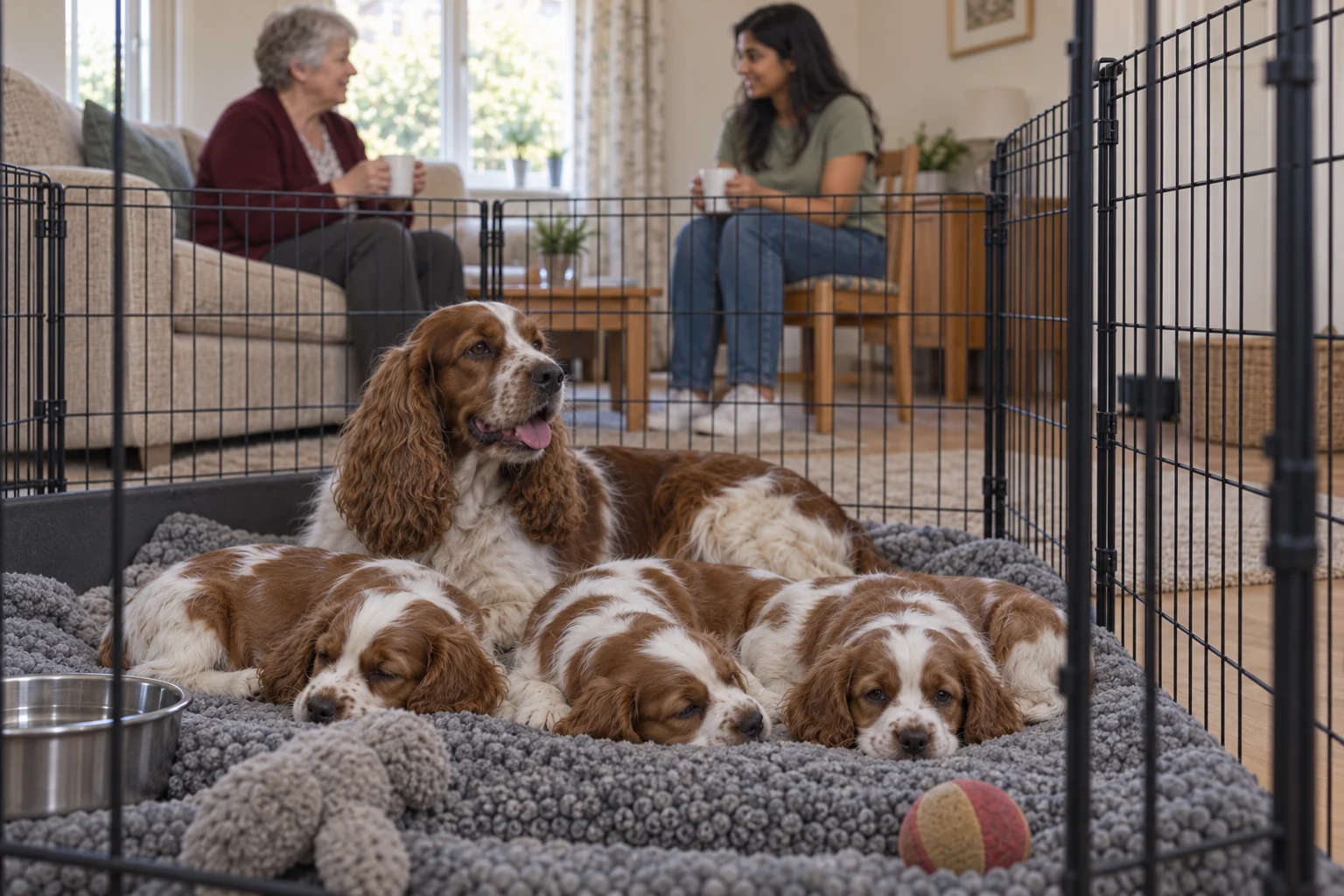
Prepare a place to talk away from the pen. Families can ask about ordinary routines, what they observed and what happens next without waking a puppy for the closing act.
Say directly when an interaction is finished. You do not need an elaborate justification: the puppies are resting, the session is over, and there is still plenty to discuss. Avoid inviting “one last cuddle” after you have made that decision.
Afterward, keep any useful observations concrete. Write what happened and under what circumstances rather than labelling a puppy “the shy one” or “the family favourite.” A well-run visit can tell you something about that encounter. It cannot settle every future question about the puppy or the family.
Keep a useful copy
Plan the visit, including its finish.
Write your arrangements before inviting people. Keep health decisions with your veterinarian and leave space to change the plan on the day.
Optional notes stay in this page until you reset or reload it. Download a text copy to keep them. Nothing is sent or saved to an account.
Leave room for an ordinary puppy day.
Visitors can leave with a better understanding even when an interaction is brief or postponed. Clear expectations make that easier for everyone, especially the puppies.
Finished reading?
Keep track of the guides you’ve explored.
Read further
Sources & scope
- AVSAB · Puppy socialization position statement
Page 1: safe early experiences and avoiding excessive fear or withdrawal. Its puppy-class criteria do not establish a breeder-visit schedule.
- Megan E. Maxwell · Socialization is more than mere exposure
AVSAB, July 5, 2017. Professional explanation of observing responses and pacing experiences; not a controlled trial.
- CDC · Hygiene practices around animals
January 31, 2025. Best practices for human handwashing after animal and equipment contact; household risk discussion.
- Dawson and colleagues · Australian breeder survey
Animals 2025, 15:2302, DOI 10.3390/ani15152302. Table 6, printed p. 12, “Diverse humans” row; N=200. Self-selected Australian adults, mostly small-scale Dogs Australia breeders; self-report rather than health or behavior outcomes.